
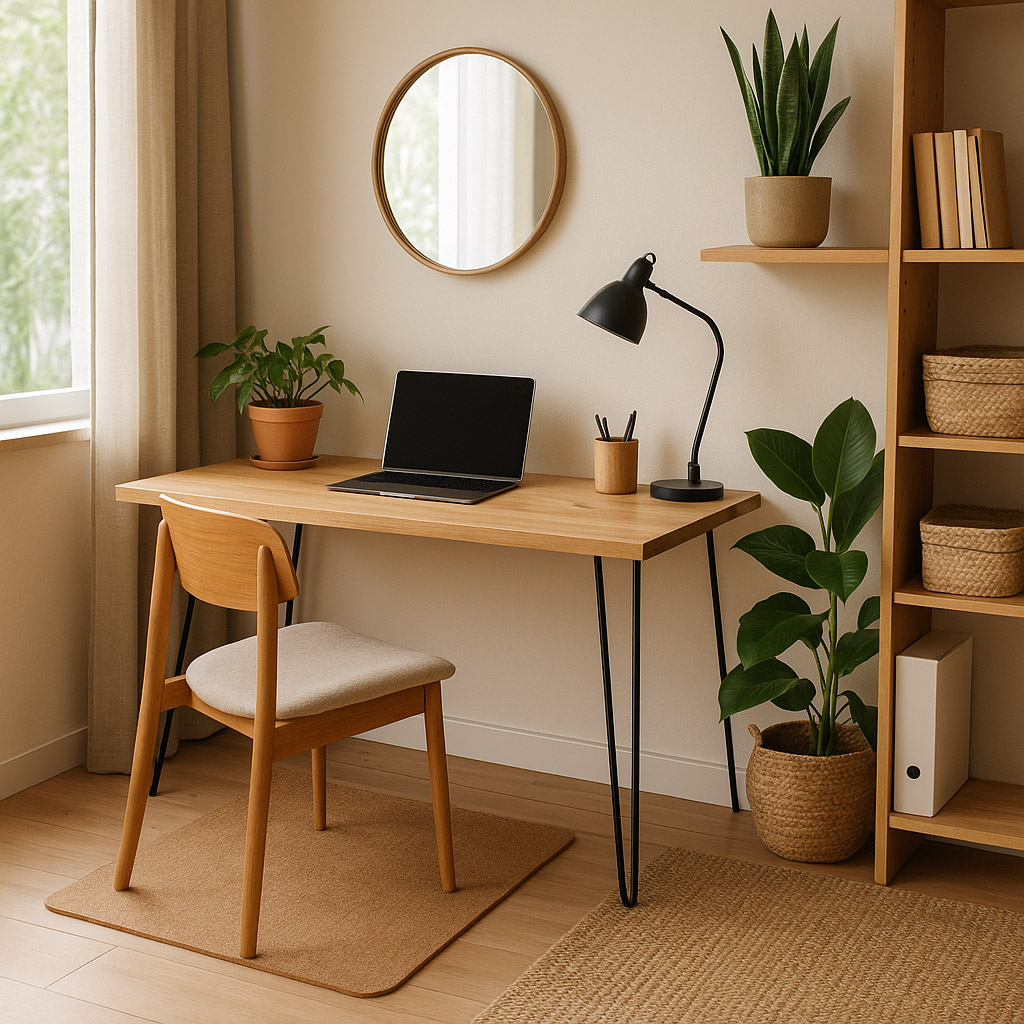
Over the last few years, remote work has gone from a niche luxury to a global norm. As more people spend hours at home — Zoom meetings, freelance projects, creative endeavors — the design of our home offices has a substantial impact on our wellbeing, productivity, and carbon footprint. Getting a workspace that’s efficient, comfortable, and eco-friendly doesn’t require a full remodel. With a few smart upgrades and mindful habits, you can build a low-impact home office that supports both your best work and sustainable living.
In this post, we’ll walk you through actionable ideas to create a home office that looks good, functions well, and treads lightly on the planet.
Choose Sustainable Materials — Start from the Ground Up
Many home offices revolve around the desk and chair — but what about the surfaces around them? When choosing furniture, prioritize sustainable materials: reclaimed wood desks, bamboo shelves, FSC-certified cabinetry, natural fiber rugs — all add warmth and character and minimize environmental harm.
If you opt for built-ins (shelves, cabinets, storage), consider low-VOC or zero-VOC finishes, and avoid particle-board or MDF with formaldehyde adhesives. These choices improve indoor air quality — better for both health and productivity.
Even small touches — like cork floor mats under a rolling chair, or a jute rug for underfoot warmth — make a difference while preserving durability and aesthetic appeal.
Lighting That’s Functional and Energy-Smart
Good lighting is crucial for focus — but it also affects energy consumption. Here’s how to strike the balance:
- Prioritize natural light. Position your desk near a window; natural daylight reduces eye strain and boosts mood. Use light-colored, minimally obstructive window treatments to maximize daylight without glare.
- Supplement with LED & smart lighting. Use high-quality LED bulbs (warm white, full-spectrum where possible) to mimic daylight when evening hits. Consider a dimmable or color-temperature adjustable desk lamp for flexibility.
- Use natural light reflectors. Light-colored walls or a large mirror positioned to reflect daylight can help brighten the room without electricity.
This combination enhances focus, reduces eye fatigue, and cuts energy costs — a win for you and the planet.
Indoor Air Quality & Biophilic Touches
Sustainability is about more than just materials — it’s also about health and comfort. Especially for a home office where you spend hours, indoor air quality matters. Here are some ideas:
- Add low-maintenance indoor plants (e.g., pothos, snake plant, peace lily) — they improve air quality and add a calming, natural presence.
- Use non-toxic paint and finishes to avoid off-gassing of harmful chemicals.
- Include proper ventilation or an air-purifying filter, especially if the room is closed often.
- Bring in natural textures and materials — wood, stone, ceramics — to reduce reliance on synthetic plastics and create a grounded, balanced environment.
Cut Waste & Embrace Minimalism
A cluttered desk often leads to a cluttered mind. Embracing minimalism — not just as a style but as a sustainable practice — can have multiple benefits:
- Less stuff = less consumption. Choose multipurpose furniture (e.g., a desk with integrated shelving) instead of separate pieces.
- Digital over physical where possible. Use cloud storage instead of paper, recycle old electronics responsibly, reduce paper waste.
- Quality over quantity. Invest in a few durable items — a well-made ergonomic chair, a solid wood desk, a high-performance laptop — rather than cheap, disposable furniture that ends up in landfills.
Minimalist design often pairs beautifully with natural materials, clean lines, and a calm aesthetic — the kind of environment that encourages focus and creativity.
Energy Efficiency Meets Smart Tech
Leveraging technology doesn’t have to mean compromising sustainability. With a few thoughtful upgrades, you can lower your energy footprint without sacrificing performance:
- Use a smart power strip to avoid phantom energy draw from monitors, chargers, and peripherals when not in use.
- Opt for energy-efficient electronics — laptops instead of desktops, LED monitors, ENERGY STAR-certified devices where available.
- Adjust screen brightness and room lighting to lower unnatural light output and save electricity.
- Where possible, use rechargeable batteries, and recycle old batteries and electronics responsibly.
Make It Personal — But With Purpose
One of the joys of a home office is that it can reflect your personality — but you can do that and remain eco-conscious:
- Decorate with upcycled or thrifted pieces — an old wooden bookshelf, vintage lamp, secondhand rug, or even refurbished office furniture.
- Use natural textiles — linen curtains, cotton or hemp throw blankets, recycled fiber seat cushions.
- Add inspiring but sustainable decor — a potted succulent, a small indoor herb garden, a handmade ceramic mug, etc.
These touches make the workspace truly yours — while reducing demand for new mass-produced goods.
Maintenance & Upkeep — Small Habits, Big Impact
Finally: building a sustainable home office isn’t a set-and-forget task. Ongoing care makes all the difference.
- Clean regularly with eco-friendly, non-toxic cleaning products — harsh chemicals can harm indoor air quality.
- Check and maintain furniture — tighten screws,refinish wood surfaces instead of replacing, repair upholstery, re-purpose rather than discard.
- Reassess — every 6–12 months, look at your usage, energy bills, comfort, and waste; adapt as needed to become more efficient and sustainable.
Designing a low-impact home office doesn’t require radical remodeling or massive investment — just intentional choices, small upgrades, and mindful habits. From sustainable materials to energy-smart tech, from minimalism to biophilic touches, you can build a workspace that supports both your productivity and the planet.
If you’re looking to embrace a more intentional lifestyle — where design, comfort, and environmental responsibility coexist — this approach to home office design is a great place to start.
Let me know what you’re working on — and we can audit your existing home office or design a full “green office makeover” checklist next.